
"Arabica pruning"
500 article(s) found

The characteristics of Red Kaddura washed Coffee beans in Costa Rica
The characteristics of red Kaddura washed coffee beans in Costa Rica the taste of the grinding scale manor introduces that the coffee trees planted in Costa Rica are all Arabica coffee trees, and through improvement, the quality of coffee beans is better and more stable; in order to facilitate picking, coffee trees are maintained at a height of about 2 meters by continuous pruning; the coffee that people eat is the flavor released by the seeds in the fruit being soaked in water.
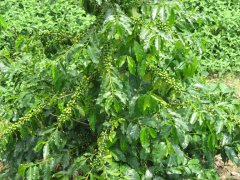
What are the conditions for growing coffee? What are the cultivation methods of coffee trees? When to fertilize?
Professional coffee knowledge exchange more information about coffee beans Please follow the coffee workshop (Wechat official account cafe_style) what are the fruits and seeds of coffee? The appearance of coffee beans the coffee tree should not need special care, but the sunshine should be sufficient and there should be no lack of water. 1. The basic cultivation environment and management of coffee climate and native coffee are mainly limited by temperature.

Introduction of Costa Rican coffee boutique coffee beans with unique strong flavor
All the coffee trees planted in Costa Rica are Arabica coffee trees. through improvement, the quality of coffee beans is better and more stable. in order to facilitate picking, coffee trees are kept at a height of about 2 meters through continuous pruning. The coffee that people eat is the taste of the seeds in the fruit that are brewed in water. After picking raw coffee beans, the peel, pulp, seed film and sun exposure must be removed.

Costa Rican Coffee producing country introduces Costa Rican Coffee Manor producing area
All the coffee trees planted in Costa Rica are Arabica coffee trees. through improvement, the quality of coffee beans is better and more stable. in order to facilitate picking, coffee trees are kept at a height of about 2 meters through continuous pruning. The coffee that people eat is the taste of the seeds in the fruit that are brewed in water. After picking raw coffee beans, the peel, pulp, seed film and sun exposure must be removed.

Costa Rica Phoenix Manor Coffee Flavor Taste Manor Features
Costa Rica's main agricultural products, with an annual output of more than 2 million bags (60 kg), export foreign exchange of 250 million US dollars, second only to pineapple and banana. In Costa Rica, Arabica coffee trees are grown, improved, the quality of coffee beans is better and more stable; in order to facilitate picking, coffee trees are continuously pruned to maintain a height of about 2 meters; people eat coffee fruit.

Characteristics of Coffee varieties treated by Grinding degree of Fenghuang Manor in Costa Rica
All the coffee trees planted in Costa Rica are Arabica coffee trees. through improvement, the quality of coffee beans is better and more stable. in order to facilitate picking, coffee trees are kept at a height of about 2 meters through continuous pruning. The coffee that people eat is the taste of the seeds in the fruit that are brewed in water. After picking raw coffee beans, the peel, pulp, seed film and sun exposure must be removed.

What is a coffee belt? How to plant coffee trees? Where is it suitable for planting?
Professional coffee knowledge exchange more coffee bean information please follow the coffee workshop (Wechat official account cafe_style) what is the coffee belt? How to plant coffee trees? Where is it suitable for planting? The coffee belt refers to the area where coffee beans are grown in the latitudes of the earth. Because it happens to form a ribbon, it is called a coffee belt. This coffee belt is between the Tropic of Cancer and the Tropic of Cancer.

Introduction to the characteristics of coffee flavor and taste varieties of Costa Rican St. Roman Manor with pure flavor
All the coffee trees planted in Costa Rica are Arabica coffee trees. through improvement, the quality of coffee beans is better and more stable. in order to facilitate picking, coffee trees are kept at a height of about 2 meters through continuous pruning. The coffee that people eat is the taste of the seeds in the fruit that are brewed in water. After picking raw coffee beans, the peel, pulp, seed film and sun exposure must be removed.

What is the most expensive coffee in Costa Rica? how does Costa Rican black honey taste?
Professional coffee knowledge exchange more coffee bean information please follow the coffee workshop (Wechat official account cafe_style) in Costa Rica are Arabica coffee trees, through improvement, the quality of coffee beans is better and more stable; in order to facilitate picking, coffee trees are maintained at a height of about 2 meters by continuous pruning; the coffee people eat is that the seeds in the fruit are brewed with water.

Dominica Coffee producing areas Dominica Coffee Origin cultivation what kind of coffee is there in Dominica
For more information on coffee beans, please follow the Coffee Workshop (official Wechat account cafe_style) most of the coffee in the Dominican Republic is scattered over the six major producing areas, located in the western half of the valley and on steep slopes. These farms use the height, humidity, temperature and soil of each valley to create favorable conditions for coffee cultivation. Dominica coffee producing area
Grinding scale of Cuban Crystal Mountain Coffee varieties taste treatment manor introduction
The coffee tree is an evergreen cotyledon plant native to Ethiopia and belongs to the Coffee genus of the Rubiaceae family in botany, with a height of up to 10 meters, while artificial growers are only two to four meters tall due to pruning. Coffee will probably seed in three to four years, and the yield will decrease after 20 to 25 years, but some coffee trees will still bear fruit after more than a hundred years.

Flavor characteristics of Costa Rican coffee beans taste manor grinding scale in the producing area
Costa Rican coffee bean flavor characteristics varieties taste manor grinding scale in Costa Rica all coffee trees planted in Arabica are planted in Costa rica. through improvement, the quality of coffee beans is better and more stable; in order to facilitate picking, coffee trees are maintained at a height of about 2 meters by continuous pruning; the coffee that people eat is the flavor released by the seeds in the fruit soaked in water. Picking students

Introduction to the flavor and taste characteristics of Costa Rican Fire Phoenix Manor Coffee
All the coffee trees planted in Costa Rica are Arabica coffee trees. through improvement, the quality of coffee beans is better and more stable. in order to facilitate picking, coffee trees are kept at a height of about 2 meters through continuous pruning. The coffee that people eat is the taste of the seeds in the fruit that are brewed in water. After picking raw coffee beans, the peel, pulp, seed film and sun exposure must be removed.

Costa Rican coffee producing areas and exports account for 1/3 of the world's coffee types.
All the coffee trees planted in Costa Rica are Arabica coffee trees. through improvement, the quality of coffee beans is better and more stable. in order to facilitate picking, coffee trees are kept at a height of about 2 meters through continuous pruning. The coffee that people eat is the taste of the seeds in the fruit that are brewed in water. After picking raw coffee beans, the peel, pulp, seed film and sun exposure must be removed.

Description of growing Environment and Flavor of Manning Coffee introduction of manor characteristics in planting area
Manning Coffee growing Environment Flavor description Variety introduction Coffee is an evergreen cotyledon plant native to Ethiopia and belonging to Coffee of the Rubiaceae family in botany, with a height of up to 10 meters, while artificial growers are only two to four meters tall due to pruning. Coffee will probably go to seed in three to four years, while twenty to 25

Costa Rican Tarazu Coffee Bean treatment Grinding scale Variety Origin Manor introduction
The coffee trees planted in Costa Rica are all Arabica coffee trees. through improvement, the quality of coffee beans is better and more stable. in order to facilitate picking, coffee trees are kept at a height of about 2 meters through continuous pruning. The coffee that people eat is the taste of the seeds in the fruit that are brewed in water. After picking raw coffee beans, the peel, pulp, seed film and sun exposure must be removed.

A brief introduction to the western valley of Costa Rican Coffee Goddess Manor
All the coffee trees planted in Costa Rica are Arabica coffee trees. through improvement, the quality of coffee beans is better and more stable. in order to facilitate picking, coffee trees are kept at a height of about 2 meters through continuous pruning. The coffee that people eat is the taste of the seeds in the fruit that are brewed in water. After picking raw coffee beans, the peel, pulp, seed film and sun exposure must be removed.

Introduction to the production area of Costa Rica Yersalo Coffee beans by Grinding scale treatment
Coffee was introduced into Costa Rica from Cuba in 1729. Today, its coffee industry is one of the well-organized industries in the world, with a yield of 1700 kg per hectare. Costa Rica has only 3.5 million people but 400m coffee trees, and coffee exports account for 25 per cent of the country's total exports. The volcanic soil of Costa Rica is very fertile and well drained, especially in the central part.

An introduction to the boutique coffee flavor producing areas in the western valley of Costa Rica
All the coffee trees planted in Costa Rica are Arabica coffee trees. through improvement, the quality of coffee beans is better and more stable. in order to facilitate picking, coffee trees are kept at a height of about 2 meters through continuous pruning. The coffee that people eat is the taste of the seeds in the fruit that are brewed in water. After picking raw coffee beans, the peel, pulp, seed film and sun exposure must be removed.

Introduction to the Environmental Flavor and Taste of the Fine Coffee Bean growing area in Yersaro, Costa Rica
All the coffee trees planted in Costa Rica are Arabica coffee trees. through improvement, the quality of coffee beans is better and more stable. in order to facilitate picking, coffee trees are kept at a height of about 2 meters through continuous pruning. The coffee that people eat is the taste of the seeds in the fruit that are brewed in water. After picking raw coffee beans, the peel, pulp, seed film and sun exposure must be removed.